Advertorial
"Millions of Australians don't know about this offer: a wholesaler wanted to buy these knives for $75 to resell them for $580, but the blacksmith preferred to sell them to individuals for $165."
After 50 years of forging exceptional knives in Australia's cutlery heartland, William "Bill" Harrison no longer has the strength to hold the hammer. We investigated this story that is moving the entire Adelaide Hills region.
Investigation • Adelaide Hills, South Australia • March 2026
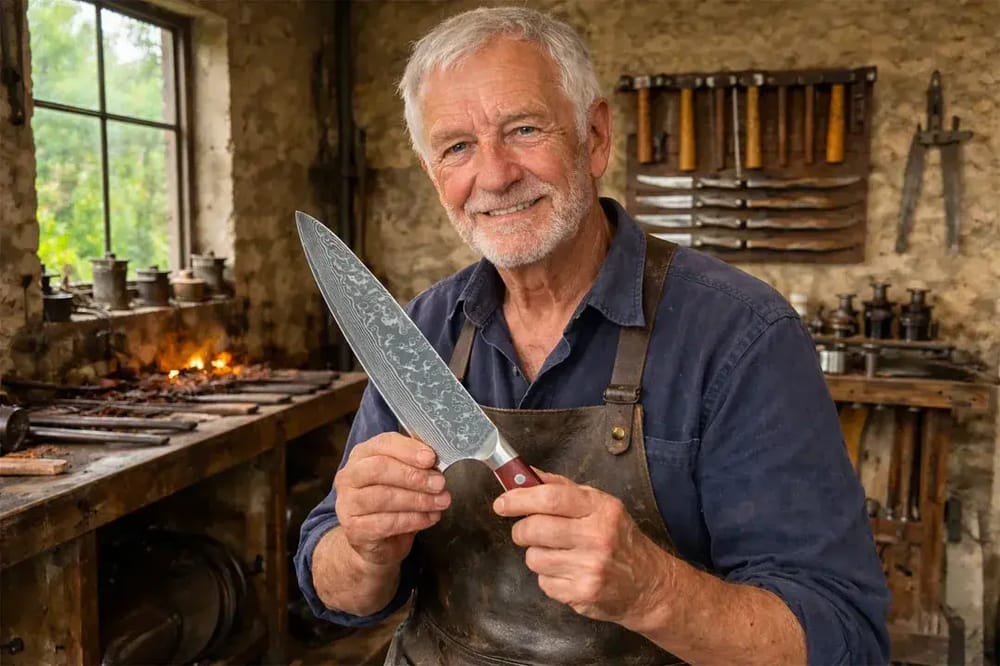
Hahndorf, Adelaide Hills, South Australia — William "Bill" Harrison, 76, will extinguish the fire in his forge for the last time on March 30, 2026. In his 35m² workshop nestled in the main street of this historic German-Australian town, he is stacking his creations for the last time: knives forged one by one in Damascus steel, with handles made of native Australian timber—jarrah and red gum—that he carves and polishes by hand.
The reason for this closure? Arthritis that has been devouring his hands for three years, a body that refuses to keep up the pace, and above all the void left by Margaret, his wife, who passed away five years ago. "She was the one who ran the shop and managed the books," he murmurs, staring at the anvil. "Without her, I only know how to forge. And even that, soon, I won't be able to do anymore."
Before closing down for good, the master cutler made a decision that surprised everyone: sell his 634 remaining blades for $165 AUD instead of $415 AUD. This liquidation is not a commercial operation. It is the last wish of a man who wants his knives to "end up in kitchens, not in a dumpster."
Our investigation reveals how half a century of passion is about to come to an end, and why this closure is deeply felt far beyond the Adelaide Hills.
Forging in the blood: when a son takes up his father's hammer
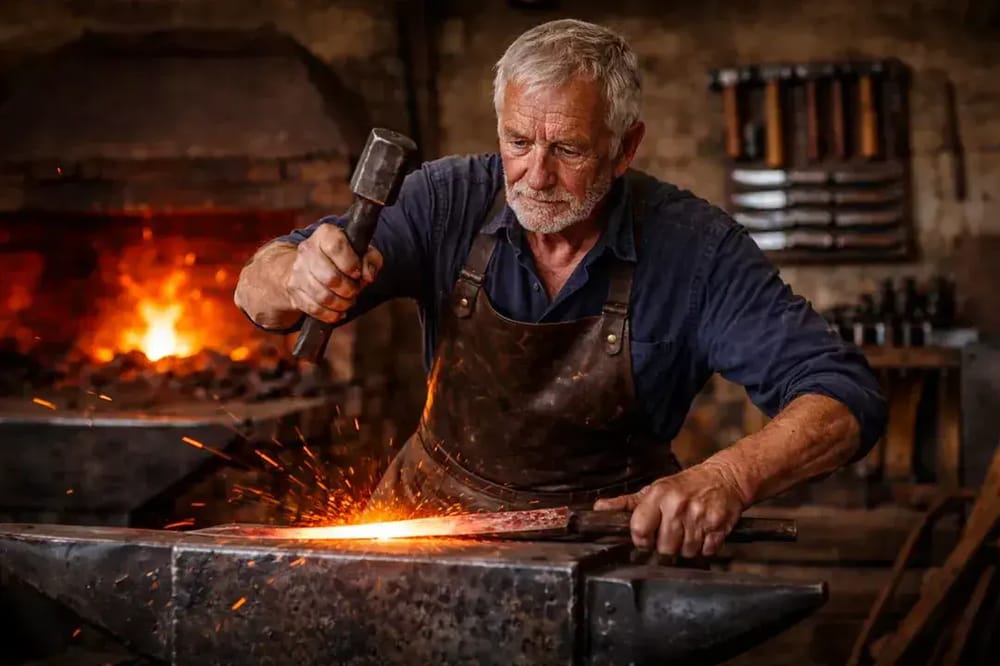
Bill Harrison did not choose cutlery. Cutlery chose him.
His father, Arthur Harrison, emigrated from Sheffield, England—the historic cutlery capital of the UK—and set up his forge in the Adelaide Hills in the 1960s. At six, Bill spent his school holidays watching his father transform steel bars into blades. At twelve, he held his first hammer. At twenty-six, he opened his own forge in the workshop that Arthur handed over to him when he retired.
"My father taught me one thing," says Bill, his hands resting on his worn leather apron. "A knife is not a tool. It is the extension of the hand of the person who uses it. If the blade is not perfect, you are betraying the cook."
He applied this philosophy for fifty years. Not a single blade left his forge without being checked, sharpened, and tested by his own hands. Top chefs from Adelaide, butchers, and restaurateurs from the Barossa Valley to McLaren Vale—all know Bill Harrison's blades. Some have been using the same knife for thirty years.
"The knife Bill forged for me in 1997 still cuts like the first day. I offered it to my son when he took over the restaurant. He refused. He told me: go have one forged for yourself, this one I'll never let go."
— David Chen, restaurateur in Adelaide CBD
But in 2021, everything changed.
Margaret leaves: when the forge becomes the last refuge
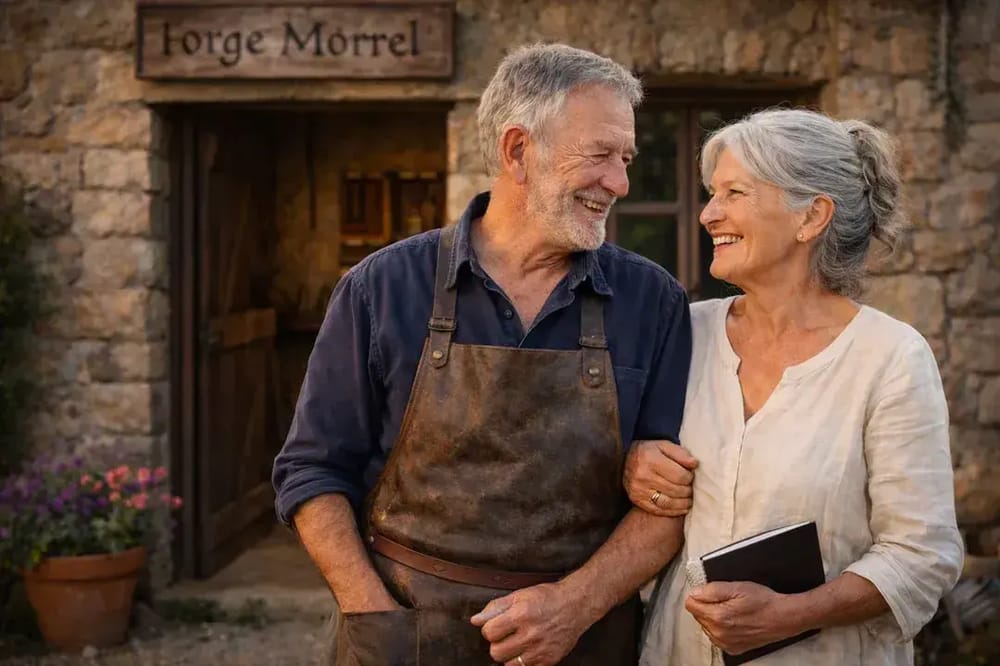
February 2021. Margaret Harrison passed away after an eighteen-month battle with pancreatic cancer. Forty-seven years of marriage. Forty-seven years managing the accounts, running the market stalls at the Hahndorf Farmers Market, packing orders, answering the phone while Bill forged.
"Margaret was my other half in every sense," he confides, his voice breaking. "She knew how to sell what I knew how to create. Without her, I am a mute blacksmith."
In the first months after her death, Bill did not set foot in the forge. The house was empty. The days were endless. His son Thomas, who lives in Melbourne, was worried. He offered to come and help, to take over the business. Bill refused.
One morning in April, unable to sleep, he went down to the workshop at 5 a.m. He lit the fire. Placed a steel bar on the embers. And started striking again.
"I didn't know why I was forging," he recalls. "I had no orders. No customers. I struck because it was the only thing that made me forget the silence of the house."
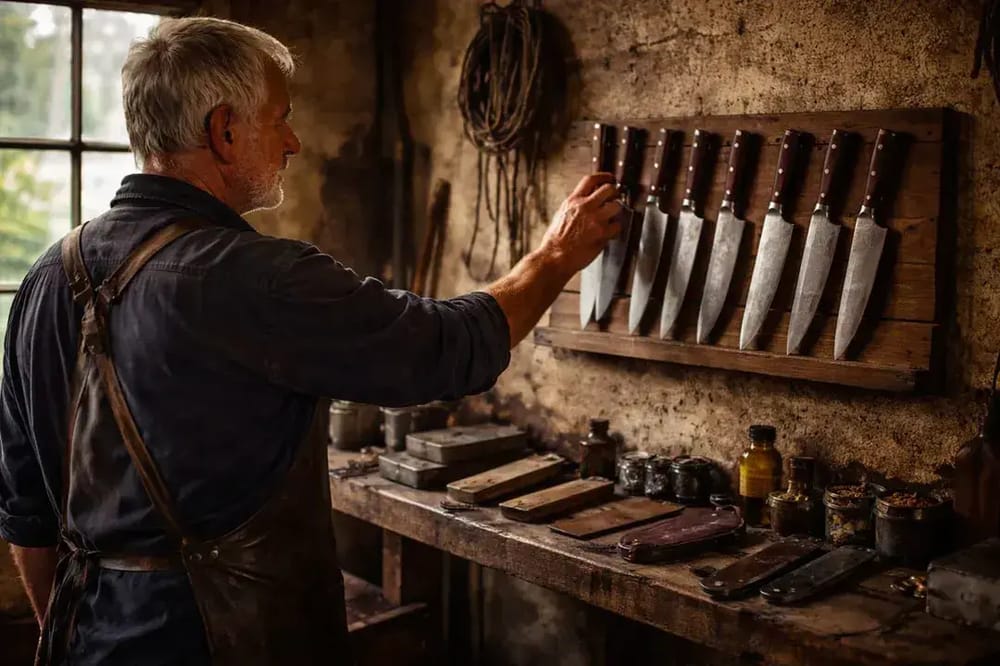
For four years, Bill Harrison forged. Every morning. Seven days a week. Chef's knives, santokus, paring knives. He stacked them on the shelf that Margaret had installed for orders. Except this time, there were no orders. Just a lone man doing the only thing he knew how to do.
The blades accumulated. Ten. Fifty. Two hundred. Six hundred. Each forged with the same care as if a top chef were waiting for it. Each unique, because Damascus steel never repeats itself.
67 layers of steel and thousands of hammer blows
To understand why Bill Harrison's knives are worth what they are, you need to understand what Damascus steel is.
It is not ordinary steel. It is a stack of 67 layers of different steels, folded and refolded in the forge. Each folding creates a unique pattern, those hypnotic ripples visible on the blade. Like a fingerprint: it is mathematically impossible for two Damascus blades to be identical.
"People think it's just aesthetic," explains Bill. "But Damascus is primarily about performance. The layers of hard steel and soft steel complement each other. One provides the edge, the other the flexibility. That's why my blades still cut after thirty years."
The process is long and exhausting. For a single blade, you need:
First, heat the steel to over 900 degrees in the coal forge. Then hammer, hundreds of precise blows to fold the layers. Next, quenching: plunge the red-hot blade into an oil bath to solidify the molecular structure. Then polishing, grain by grain, for hours, until the Damascus patterns appear. Finally, the handle: a block of jarrah or red gum selected for its grain, cut, sculpted, sanded, and then hand-oiled three times.
In total, each knife requires two days of work. And Bill engraves his initials — "WH" — on every blade. Fifty years of tradition. Not a single blade without his signature.
"When you hold a hand-forged Damascus knife, you feel it immediately. The weight, the balance, the way it falls into your palm. It's as if the blade knows what it needs to do."
— Bill Harrison
"Your hands won't last another winter"
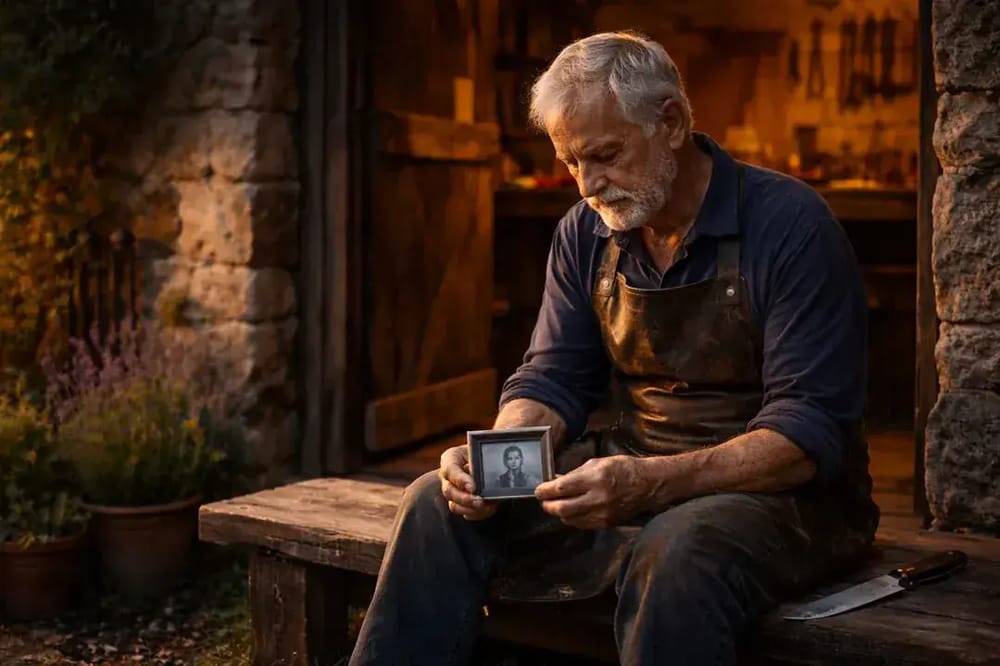
September 2025. The rheumatologist's verdict is final. Arthritis has won in both hands. The finger joints are deformed. The right wrist, the hammering wrist, cracks with every movement.
"Your hands won't last another winter at this pace," the doctor tells him. "Each hammer blow accelerates the deterioration. If you continue, you won't even be able to hold a fork."
Bill takes it in. He knew it, deep down. For two years, he had been forging more and more slowly. Some mornings, his fingers refused to bend. He needed twenty minutes under hot water before he could grasp the hammer. Pain had become his work companion.
His son Thomas came for a weekend. He saw the 634 knives stacked on the shelves. He saw the unpaid bills on Margaret's desk. He saw his father's deformed hands.
"Dad, you have to stop," he said. "Mum wouldn't have wanted this."
Bill did not take that phrase as easily. Because he knew it was true.
The decision was made that evening, around the kitchen table. The forge would close. But not before every blade had found a home.
634 blades: selling directly, without intermediaries, at cost
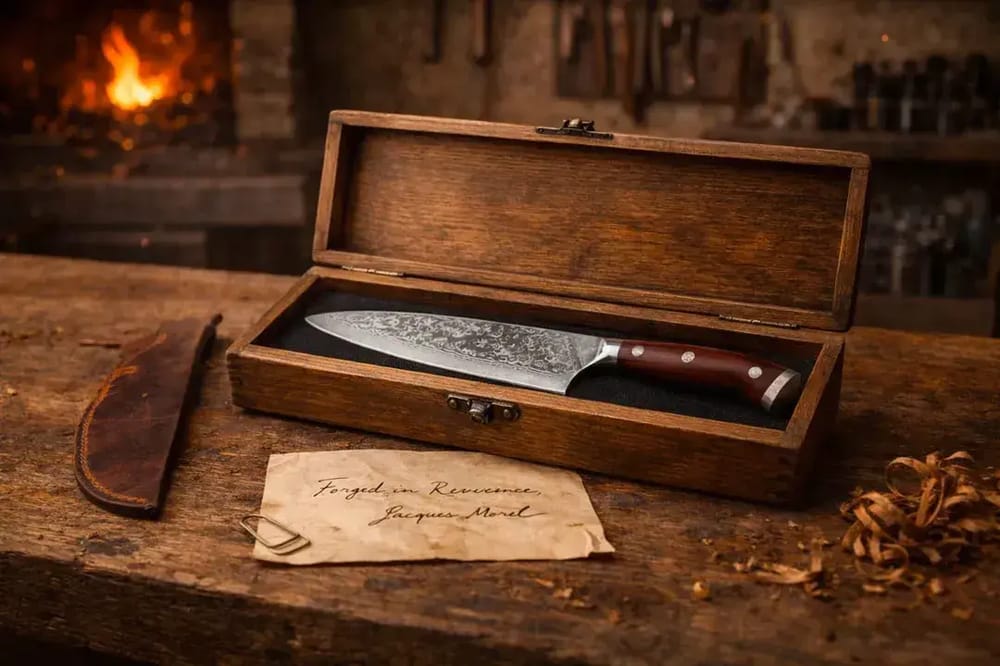
A wholesaler from Sydney offered to buy the entire stock. "I'll give you $75 each," he announced over the phone. Bill asked what he would do with them. "Sell them for $500 to $580 in specialty kitchen shops in Double Bay and Paddington."
"I hung up," Bill recalls. "The idea that some bloke in a suit would sell my blades for nearly seven times their price, presenting them behind a window, made me sick. These knives, I forged them to cut. Not to decorate."
It was Thomas who found the solution. Sell online, directly, without intermediaries. Not at $415 as Bill had done at markets and shows. Not at $580 as the wholesaler would have done. At $165. The fair price so that every knife finds an owner who will truly use it.
When these 634 blades are gone, it's over. No new production. No restocking. The forge will be extinguished and the workshop returned. Fifty years of know-how concentrated in these last blades.
"I don't want charity," insists Bill. "I want my knives to end up in the hands of people who love to cook. People who will understand the difference between a hand-forged blade and a knife that came out of a factory."
Customers of 30 years testify
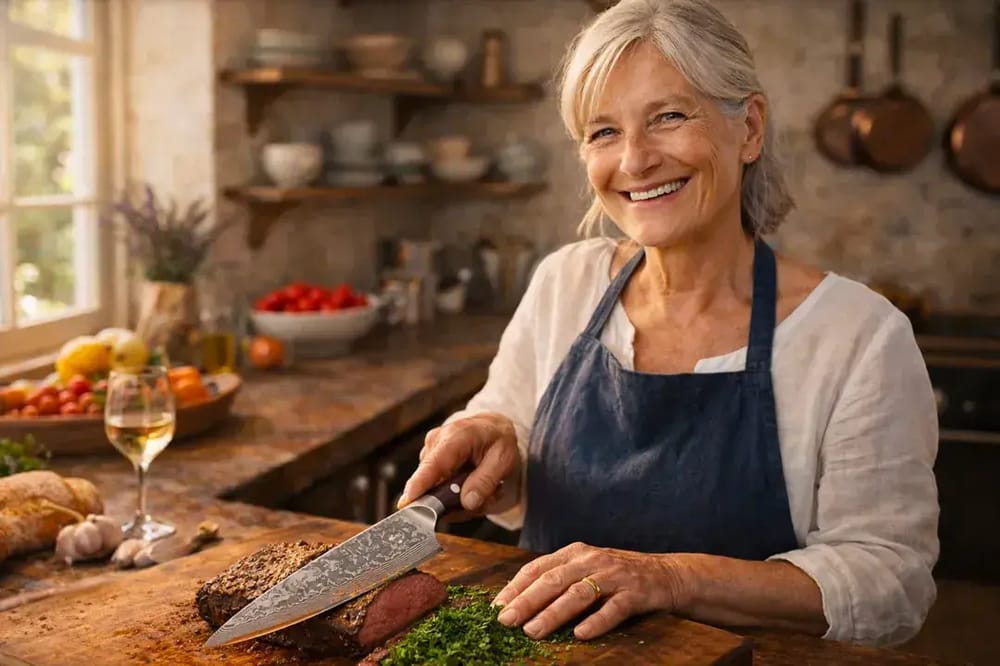
News of the closure spread throughout South Australia. Former customers, some loyal for decades, got in touch. Testimonies poured in.
"I bought my first knife from Bill in 1994 at the Hahndorf Market. Thirty years later, it is still in my kitchen. It survived three moves, two kids who used it carelessly, and thousands of meals. It still cuts better than any new knife I have bought since."
— Patricia O., 67, Stirling
"My husband gave me a Bill Harrison knife for our 25th anniversary. I thought it was a strange gift. Fifteen years later, it's the only item in our kitchen I have never replaced. When I learned Bill was closing, I cried."
— Sarah M., 61, Mount Barker
"I have been a chef for 22 years. I have used Japanese knives worth $800, German knives worth $500. None come close to a blade by Bill Harrison. The day he closes, an entire chapter of Australian craftsmanship disappears."
— James R., head chef, Penfolds Magill Estate Restaurant
On social media, former apprentices share photos of the workshop. A local documentary filmmaker from the Adelaide Hills has even started shooting a short film about the last days of the forge. The Hahndorf town council offered him a commemorative plaque. Bill declined.
"I don't want a plaque," he says. "I want my knives to speak for me. In fifty years, if someone cuts an onion with one of my blades and thinks to themselves: 'crikey, that's a bloody good knife,' then I will have won."
What makes these knives different from anything you have used
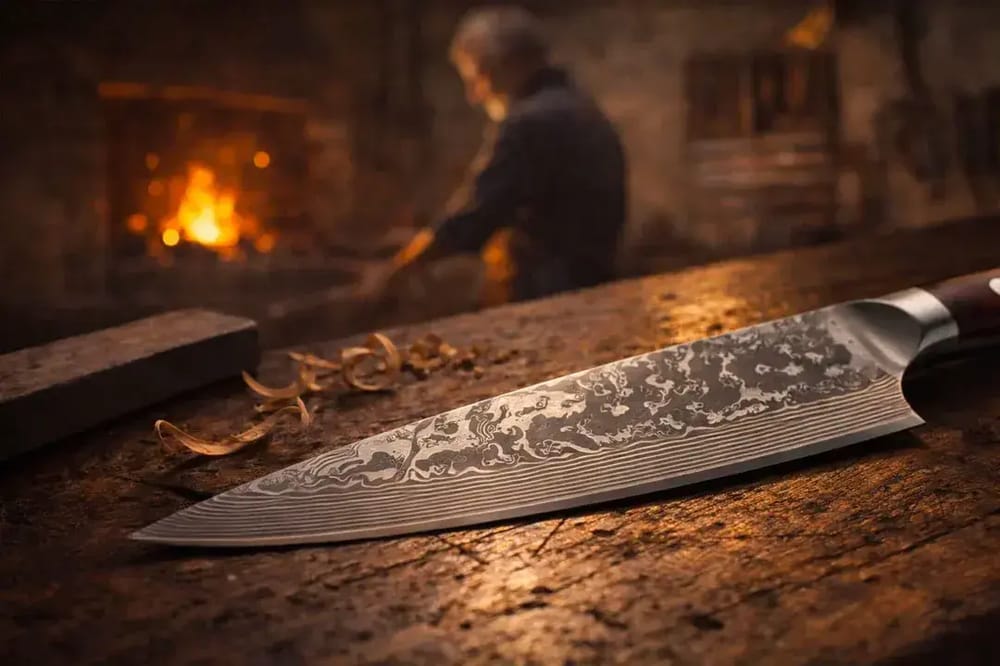
This is not an ordinary knife. Here is what sets a blade forged by Bill Harrison apart from a supermarket knife:
67-layer Damascus steel. Where an industrial knife uses a single layer of stainless steel, Bill's blade stacks 67 layers folded and forged by hand. Result: an edge that lasts for years without sharpening, and unique wavy patterns on each blade — the signature of true Damascus.
Native Australian hardwood handle. No molded plastic. Each handle is carved from a block of jarrah or red gum, hand-sanded, and then oiled three times for a perfect grip. The wood patinas over time and becomes more beautiful with age.
Perfect balance. A hand-forged knife is balanced to the gram. The weight distributes naturally between the blade and the handle. When you pick it up, you feel the difference immediately. The knife doesn't "pull," doesn't fatigue the wrist.
A lifespan of several decades. Bill's customers have used their knives for 20, 30, sometimes 40 years. Damascus steel does not wear like ordinary steel. A simple pass on a sharpening stone once a year is enough to maintain a razor-sharp edge.
The initials "WH" engraved on every blade. The master cutler's signature. Proof that this blade passed through his hands, not the gears of a machine.
How to get one of the last 634 blades before it's too late
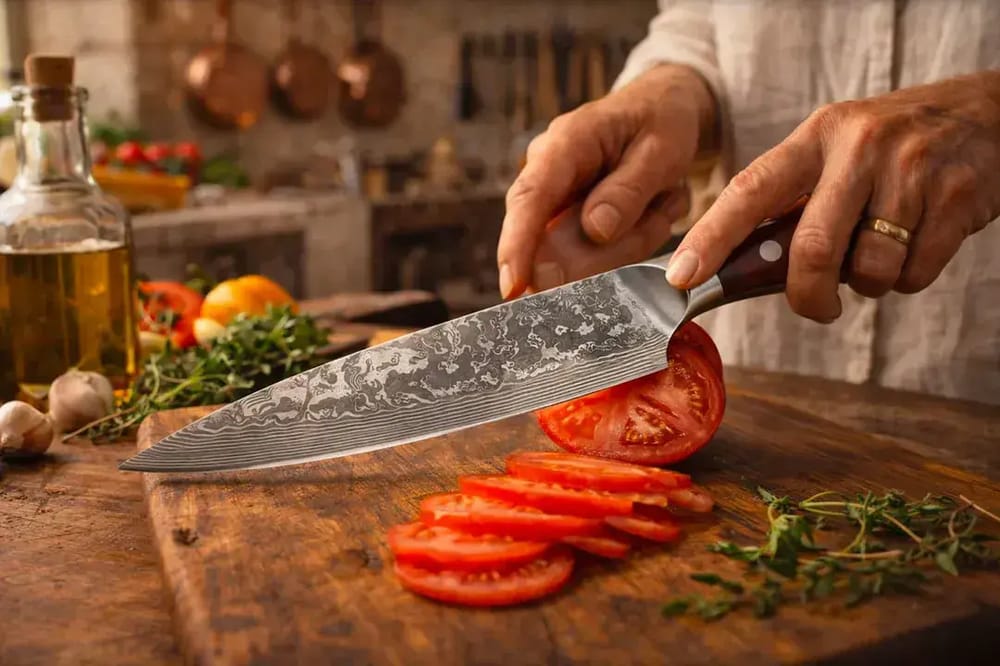
The 634 knives represent everything that remains of Bill Harrison's work. There will be no restocking. No new series. When the last knife is sold, fifty years of know-how will go out with the forge fire.
The price has been set at $165 AUD instead of $415 AUD. This is not a marketing promotion. It is the choice of a 76-year-old man who prefers to see his blades in kitchens rather than in a reseller's window at $580.
Each order is checked and carefully packaged. Bill guarantees each knife: satisfied or refunded within 30 days. "If my blade does not convince you from the first cut, send it back," he says. "But in fifty years, no one has ever returned a knife to me."
The first orders ship within 48 hours. Feedback is unanimous:
"Even more beautiful in person than in the photos. You can feel the work. You can feel the soul. This knife has a story and it shows."
— Michelle T., 58, Adelaide
"My wife asked me why I was smiling while cutting carrots. I answered: because for the first time in 40 years, I have a real knife."
— Robert K., 63, Melbourne
Time is running out. Every day, dozens of blades find their owners. The counter is decreasing: 634, then 610, then 587… When it reaches zero, it will truly be over.
For those who love to cook. For those who recognize the value of a hand-forged object. For those who want to own a fragment of fifty years of passion before it disappears. The opportunity will not come again.
Bill Harrison
Master cutler since 1976
Harrison Forge, Hahndorf, Adelaide Hills, South Australia
Bill's Knife
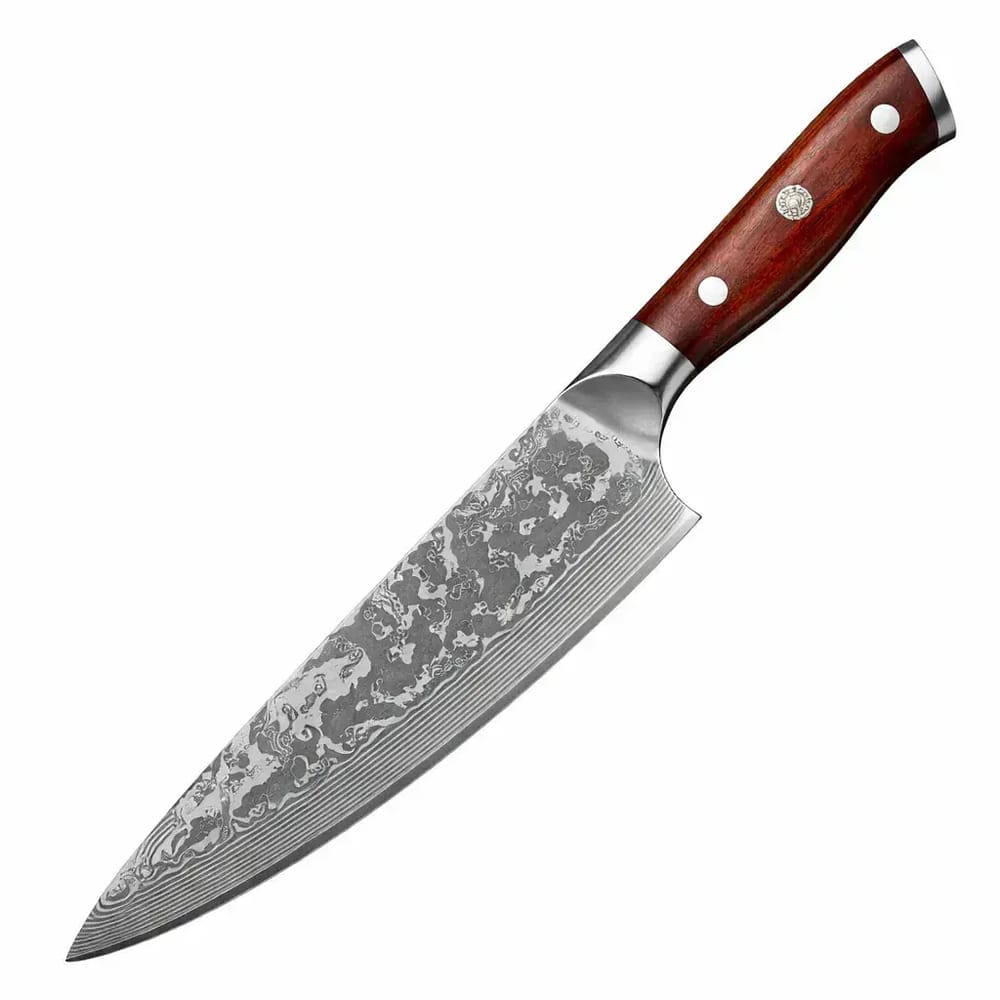
50 years of forging in every blade. A lifetime of pleasure in every cut.
© 2025 All rights reserved.
MARKETING DISCLOSURE: This website is a marketplace. As such, you should know that the owner has a monetary connection to the products and services advertised on the site. The owner receives a payment whenever a qualified lead is referred, but that's all.
ADVERTISING DISCLOSURE: This website and the products and services referred to on the site are advertising marketplaces. This website is an advertisement and not a news publication. All photographs of individuals used on this site are models. The owner of this site and the products and services referenced on this site only provides a service where consumers can obtain and compare.
Terms and Conditions – Privacy Policy – Contact – Legal Notices